
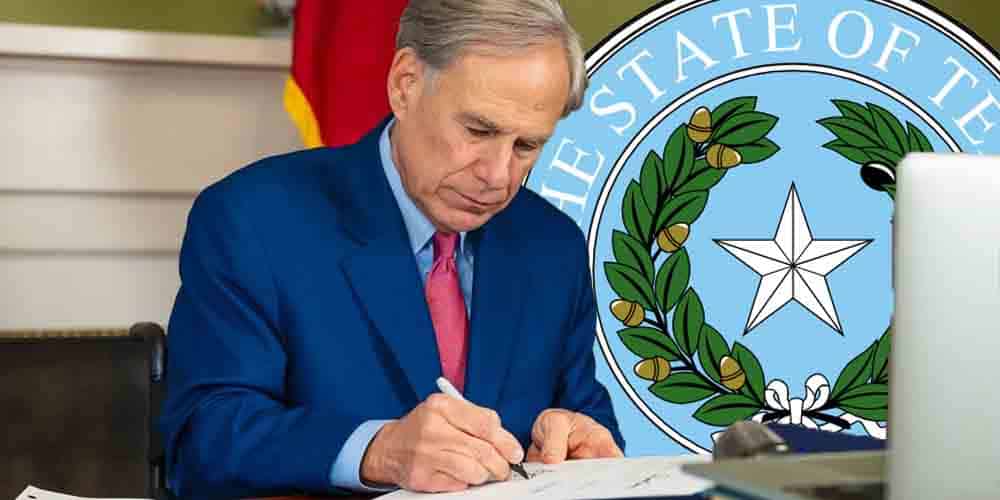
Texas’ long-running debate over casino legalization has hit another major roadblock, with Governor Greg Abbott signaling firm opposition just ahead of the next legislative session. The stance effectively halts momentum for expanding regulated gambling in one of the largest untapped markets in the United States, despite years of lobbying from gaming operators and industry groups.
Recent remarks from the governor reaffirm that current laws—rooted in the state constitution—are unlikely to change soon. Texas law still prohibits most forms of gambling outside of limited exceptions such as the state lottery, charitable bingo, and raffles. Abbott emphasized that he does not expect that constitutional framework to shift in the near term, reinforcing a status quo that has persisted for decades.
The implications stretch beyond policy. Industry advocates argue that Texans are already spending significant sums on gambling, but much of that money flows to neighboring states like Oklahoma and Louisiana, where casino industries are well established. This outflow has been a central argument for legalization, framed as lost economic opportunity in the form of jobs, tourism, and tax revenue.
Still, opposition remains rooted in concerns about addiction, social consequences, and the broader cultural impact of expanded gambling. These concerns continue to shape the political landscape, leaving Texas at a standstill while other states expand their gaming markets.
Online Gambling Options
With regulated casino gaming off the table for now, many Texans are turning their attention to online gambling—particularly offshore platforms that operate outside U.S. jurisdiction. While these sites are not regulated by Texas authorities, they have become a popular alternative for residents seeking casino-style games, poker, and sports wagering.
The appeal of offshore platforms lies in accessibility. Unlike land-based casinos, which require travel out of state, online platforms provide instant access from home. This convenience has contributed to steady demand, especially as mobile betting becomes more widespread globally.
Supporters of legalization often point to the reality that Texans are already engaging in gambling—either by traveling or using offshore sites, like the ones found at https://www.casinos18.com/states/texas/ – as evidence that prohibition does not eliminate demand. Instead, they argue, it shifts activity beyond the reach of state regulation and taxation.
Meanwhile, critics maintain that easier access—especially online—could increase risks tied to problem gambling. This tension between consumer demand and regulatory caution continues to define the conversation.
Future Expansion?
Looking ahead, the path to legalized casinos or broader gambling expansion in Texas remains steep. Any meaningful change would require a constitutional amendment, a process that demands approval from two-thirds of both legislative chambers, followed by a statewide voter referendum.
Recent legislative efforts illustrate just how difficult that path is. Proposals to authorize destination casino resorts and legal sports betting have repeatedly stalled, often clearing one chamber only to fail in another. Political divisions—particularly within the state Senate—have prevented measures from advancing to final votes.
Public opinion adds another layer of complexity. Polling suggests there is measurable support for expanded gambling, but that support is uneven across political and demographic groups. Lawmakers must balance potential economic gains against the concerns of constituents who remain wary of gambling’s social impact.
For now, the governor’s opposition signals limited movement in the upcoming session. Without executive support, even well-funded lobbying campaigns face long odds. Still, industry stakeholders are unlikely to retreat. The size of the Texas market ensures that efforts to legalize casinos and sports betting will continue, even if progress remains incremental.
In the meantime, Texans will continue to navigate a fragmented gambling landscape—one defined by out-of-state travel, offshore platforms, and ongoing political debate.