Maine lawmakers opened the door to internet casino gaming just months ago, but the state’s online gambling industry is already facing turbulent waters. What began as a landmark expansion of Maine’s gaming market has quickly evolved into a legal standoff between tribal nations, commercial casino operators, and one of the biggest names in American racing and gambling.
Churchill Downs Incorporated, the parent company of Oxford Casino, has launched a court challenge against Maine’s tribal-exclusive iGaming framework, arguing that the system unfairly excludes commercial operators from the market. The lawsuit comes after Maine approved legislation* granting exclusive online casino rights to the state’s four federally recognized Wabanaki Nations.
The dispute has already become one of the most closely watched gambling stories in New England. Industry analysts believe the outcome could influence how other states approach tribal gaming partnerships in the future.
Oxford Casino claims the law creates an uneven playing field by giving tribal entities complete control over online casino licenses while excluding long-established commercial operators. Churchill Downs has argued that if online casino gambling is legal in Maine, every qualified operator should have the chance to participate.
Meanwhile, the Wabanaki Nations are defending the legislation, saying online gambling revenue would provide critical funding for tribal services, economic development projects, and community programs. Tribal leaders have described the lawsuit as an attack on their ability to benefit from a rapidly growing digital gambling market.
The legal battle comes at a time when online casino gaming continues to expand across the United States. States are searching for new tax revenue streams, while operators compete aggressively for market access. Maine now finds itself at the center of a larger national conversation about tribal exclusivity, competition, and the future of regulated online gambling.
Local Gambling Options (Tribal, Commercial)
Even before online casinos entered the conversation, Maine already had an active gambling scene built around both tribal and commercial interests.
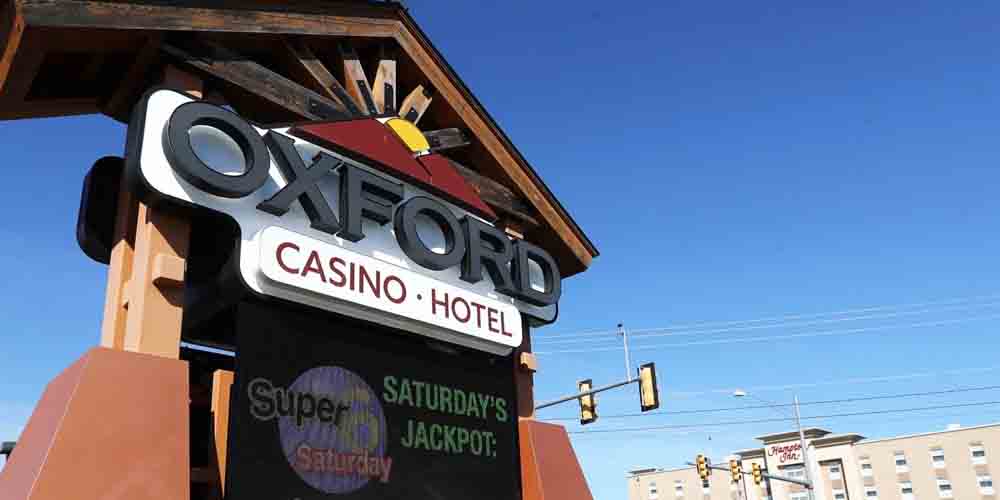
The state’s commercial market is anchored by Oxford Casino Hotel and Hollywood Casino Hotel & Raceway Bangor. Oxford Casino, owned by Churchill Downs, has become one of Maine’s largest gaming destinations, generating millions in annual tax revenue and supporting hundreds of local jobs. Churchill Downs has pointed to those economic contributions while criticizing the state’s online gaming framework.
On the tribal side, the Wabanaki Nations have steadily expanded their role in Maine gaming over the past several years. The Passamaquoddy Tribe, Penobscot Nation, Houlton Band of Maliseet Indians, and Mi’kmaq Nation already hold exclusive control over online sports betting in the state through partnerships with major operators like Caesars Sportsbook and DraftKings.
Supporters of the tribal-only online casino model argue that the arrangement helps correct years of economic imbalance and gives tribal communities a meaningful opportunity to participate in a fast-growing industry. Critics, however, believe the framework limits competition and reduces the state’s overall tax potential.
While local casinos continue to compete for market access, many Maine residents still turn to offshore platforms, like the sites at Casinos18’s homepage, for online gambling. Offshore casinos have remained accessible to players across the state for years because they operate outside U.S. regulatory systems. As a result, these sites often attract users with expansive game libraries, crypto-friendly payment options, faster withdrawals, and fewer account restrictions than many state-regulated operators. For players seeking flexibility and variety, offshore platforms continue to maintain a strong presence in Maine’s online gambling landscape.
Current Status of Online Gambling in Maine
Now, online casino gambling in Maine remains in a transitional phase.
Earlier this year, lawmakers approved legislation allowing online casino gaming under a tribal-exclusive structure. Governor Janet Mills permitted the bill to become law without signing it, clearing the way for the Maine Gambling Control Unit to begin drafting regulations for the industry.
Under the current framework, each Wabanaki Nation can partner with one online casino operator. Industry insiders expect nationally recognized brands such as DraftKings and Caesars to pursue additional agreements once regulations are finalized.
But Churchill Downs’ lawsuit has created uncertainty around the timeline.
Oxford Casino argues the law violates constitutional equal protection principles by granting what it describes as a “race-based monopoly.” The company seeks to block the market’s implementation unless commercial casinos receive equal access.