
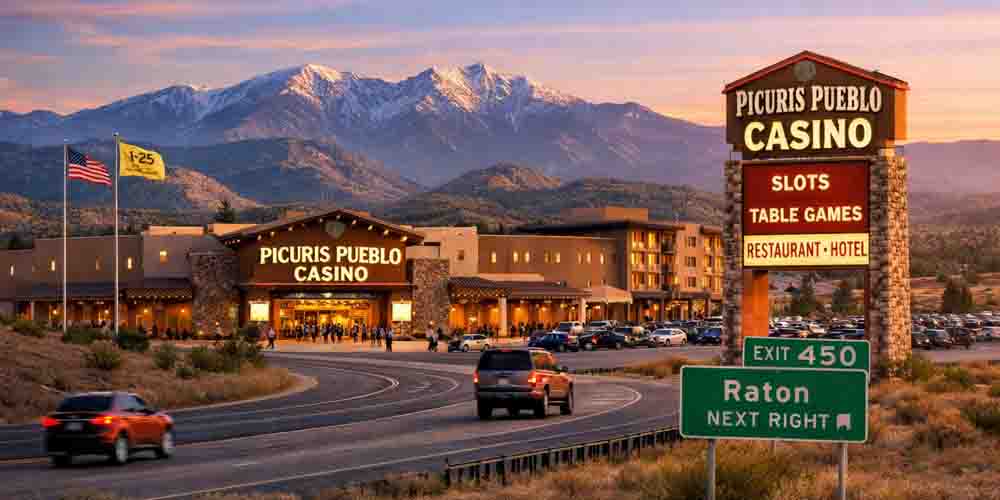
A proposed casino project near Interstate 25 in northern New Mexico is drawing attention as state and tribal leaders look to expand gaming opportunities and economic development. The Pueblo of Picuris, one of the smallest Indigenous communities in the region, is working with officials in Raton on plans to develop a new gaming facility on land transferred to tribal control.
The initiative reflects a broader pattern in New Mexico’s gaming landscape, where tribal casinos remain central to the industry while alternative options, such as offshore online platforms like those at casinos18.com, continue to attract residents seeking digital access.
Local officials have described the casino as a potential driver of tourism and employment in a rural area that has faced economic challenges. The development could include not only gaming facilities but also supporting amenities, such as hospitality services, pending final approvals.
Online Casinos in New Mexico
New Mexico does not currently authorize regulated online casinos within its borders. As a result, residents and visitors who wish to participate in online gambling often turn to the most trusted offshore casino sites, which operate outside U.S. jurisdiction.
Despite the lack of state-regulated online gambling sites, online casinos remain part of the broader gaming ecosystem in New Mexico. Their popularity is tied to accessibility, particularly in regions where physical casinos may require travel. However, policymakers and industry observers continue to debate whether regulated online gaming could eventually emerge as a complement to the state’s established tribal casino model.
Local Casinos in NM
Land-based casinos dominate New Mexico’s gaming industry, operating primarily under tribal-state compacts that allow Indigenous nations to offer casino-style gaming on sovereign land. The proposed Picuris Pueblo project follows this framework, relying on the transfer of land into federal trust to enable gaming operations.
The planned site near Raton has been the subject of negotiations for several years, with city officials approving steps such as land transfers and de-annexation to facilitate the project. These actions are necessary because tribal gaming facilities must be located outside municipal boundaries and on land held in trust for the tribe.
Supporters of the project argue that it could serve as a catalyst for economic revitalization. Local leaders have pointed to the potential for job creation, increased tourism, and new revenue streams for both the tribe and surrounding communities.
At the same time, the project remains subject to multiple layers of approval, including federal agencies and state authorities. The land transfer process, regulatory compliance, and development planning will determine the timeline and scope of the casino launch.
Across New Mexico, tribal casinos already play a significant role in regional economies, offering employment opportunities and funding for community services. The addition of a new facility in northern New Mexico would expand that footprint, particularly in an area that has fewer gaming options compared to other parts of the state.
As discussions continue, the Picuris Pueblo casino proposal highlights the evolving nature of gambling in New Mexico. While offshore platforms fill a digital gap, tribal casinos remain the cornerstone of the industry—anchored in sovereignty, regulation, and local economic impact.